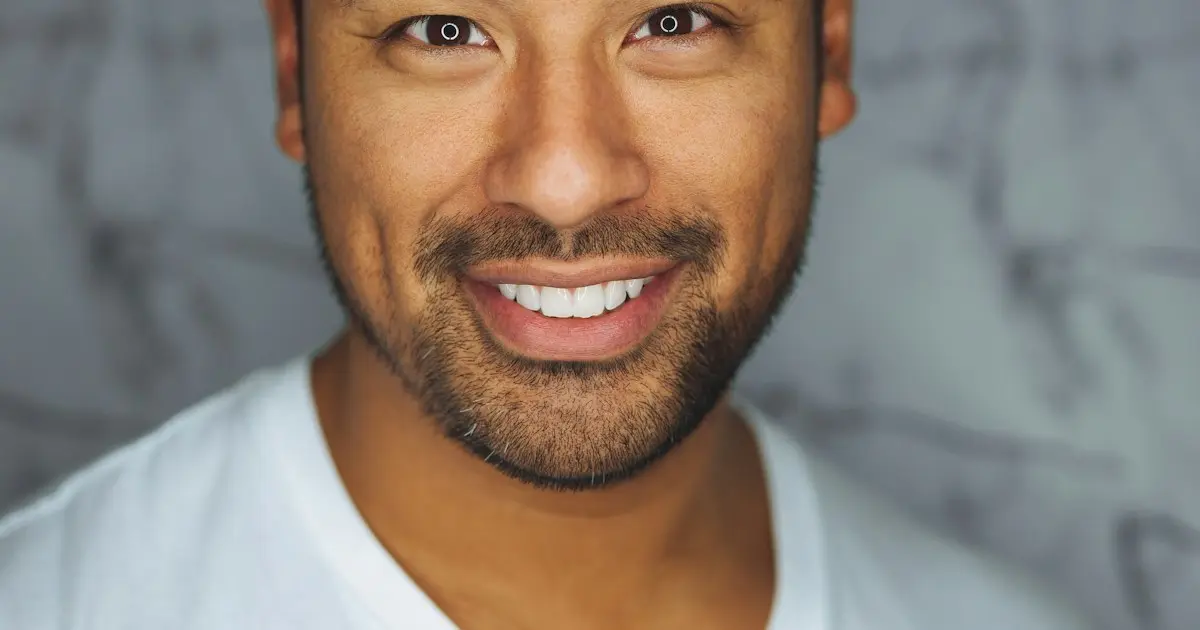
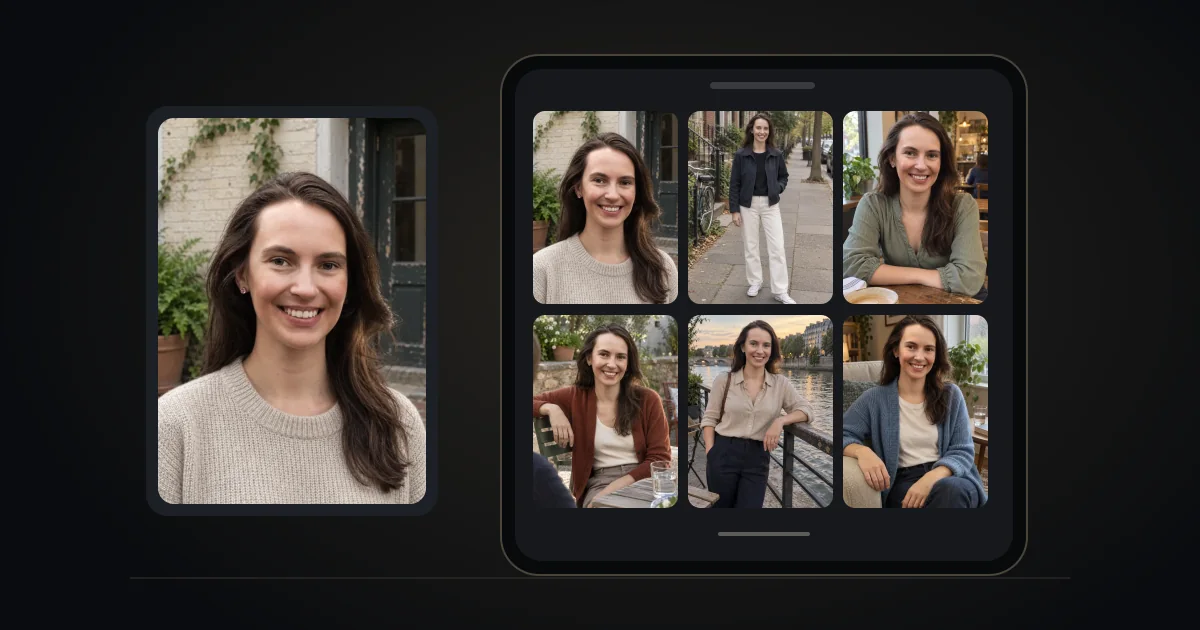
How Tinder's Algorithm Uses Your Photos: What Tinder Says Today
Tinder says Elo is old news. Here is what its help center says the algorithm uses now, what that means for your photos, and which popular claims are guesswork.
Tinder says it no longer relies on the Elo score. Its help center describes a dynamic system that looks at how active you are, your location and preferences, what is on profiles, Likes and Nopes, and cues from photos that help it suggest profiles similar to ones you have Liked. For your photos, that means a clear, recognizable face photo first and a varied set that shows real parts of your life.
Source: Tinder Help: Powering Tinder, the method behind our matching. Tinder does not publish its full formula, so anything more precise than what it states (secret scores you can check, swipe-rate targets, a timed "new user boost") is guesswork.
What Tinder says its algorithm uses today
Tinder's own explanation lists a short set of inputs:
- Activity. Tinder calls using the app the most important factor. It prioritizes potential matches who are active, and active at the same time, so it does not waste your time on people who have stopped using the app.
- Location and basic preferences. Your current location and gender, plus your age, distance and gender preferences. Tinder calls proximity a key factor.
- What people add to their profiles. Interests and lifestyle details that members choose to share.
- Similar photos. Anonymized cues from photos: Tinder suggests profiles with photos similar to ones you have Liked, and shows your profile to more people who have Liked members with photos similar to yours.
- Likes and Nopes. Tinder keeps adjusting the potential matches you see based on how often a profile, and all profiles in its area, are Liked or Noped.
Tinder also says what it leaves out: its algorithm does not track social status, religion or ethnicity.
What happened to the Elo score?
Older articles, including earlier versions of this one, explained Tinder through an "Elo score": the chess rating system, adapted into a hidden desirability rank. In March 2019 Tinder said Elo was outdated and that its technology no longer relied on it (Engadget coverage). Its help center still says so today: Elo is "old news at Tinder", replaced by a dynamic system that factors in how you engage with others through Likes, Nopes and what is on profiles.
So treat any claim about "your Elo", a score you can look up, or a feedback loop that permanently buries profiles as speculation. Tinder has not published such a score, and there is nothing you can view or reset.
How your photos feed into recommendations
Photos matter in ways Tinder confirms, plus the obvious human one:
- People Like or Nope you largely on what they see first. Those Likes and Nopes are part of what Tinder learns from, so a clear lead photo affects your results directly.
- Similar photos shape who sees you. Because Tinder shows your profile to people who Liked similar photos, your pictures influence the audience you reach. Photos of the life you actually lead (outdoors, music, cooking, city evenings) tend to reach people who like that kind of profile.
- A face photo is required in many regions. Tinder hides profiles where it cannot detect a valid face photo; while hidden, you cannot use Likes, Super Likes or Boost. It asks for a clear view of your full face, well lit, with nothing covering it (Tinder Help: My profile is hidden).
Tinder does not say that it scores resolution, smiles, eye contact or backgrounds. Those are still good choices because they help a person recognize you at a glance, not because a known rule rewards them.
Smart Photos: let Tinder lead with your most-Liked photo
Smart Photos is Tinder's built-in option for photo order. Tinder's help center recommends turning it on "to make sure you're always leading with your most Liked photo" (Tinder Help: Problems with Matches). Tinder does not publish how many views it tests or how long that takes, so:
- Turn it on if you have several photos you would be happy to lead with and do not know which works best.
- Turn it off if one photo is clearly the most recognizable and you want it first every time.
- Either way, every photo should be one you would be fine leading with, because any of them may be shown first.
Tinder's own photo tools
Tinder now offers several photo features. Some are available only in select markets, so you may not see all of them:
| Feature | What Tinder says it does |
|---|---|
| Photo Tips | Reviews your photos as a set and suggests adding or replacing pictures, for example swapping one of several similar selfies for a hobby shot. Select markets. |
| Photo Enhance | Offers to improve the technical quality of a profile photo, such as clarity and lighting. Being tested in select markets. |
| Photo Selector | An on-device tool that suggests photos from your camera roll that might work as profile photos and filters out group photos. |
| Photo Verification | A short video selfie compared with your profile photos; verified profiles get a blue check mark. |
Sources: Photo Tips, Photo Enhance, Photo Selector, Photo Verification.
Photo Tips is the clearest public hint about what Tinder looks for in a photo set: it considers the variety of activities, settings and poses, and flags photos that are too similar to each other.
What Boosts, Super Likes and subscriptions actually do
- Boost makes you one of the top profiles in your area for 30 minutes; Tinder advertises up to 10x more profile views while it runs. Gold and Platinum include one Boost a month, with exceptions Tinder lists. A Boost shows your photos to more people; it does not make weak photos stronger.
- Super Like prioritizes your profile for the person you send it to. Gold and Platinum include free weekly Super Likes.
- Plus, Gold and Platinum. Plus adds unlimited Likes, Rewinds, Passport mode and incognito; Gold adds weekly Super Likes, a monthly Boost and See Who Likes You; Platinum adds Prioritized Likes, so your Likes are seen faster. Prices vary by market and are shown in the app.
Sources: Boost, Super Like, Tinder subscriptions.
Myths you can ignore
| Claim you will read elsewhere | What is actually known |
|---|---|
| "Your hidden Elo score decides everything." | Tinder says it no longer relies on Elo. |
| "Swipe right on a set percentage of profiles." | Tinder has not published any target. Like the people you would actually talk to. |
| "New accounts get a boost for a fixed number of hours." | Tinder has not documented a new-user boost. Deleting your account to "reset" also deletes your matches and messages. |
| "Photos below a certain resolution are penalized." | There is no published threshold. Use the sharpest original photo you have. |
| "Swipe at one specific hour for the best results." | Tinder says it favors people who are active at the same time; it names no best hour. |
Thinking about a reset? Read whether to delete Tinder and start over before losing matches, messages, and photos.
A photo set that works with how Tinder recommends profiles
Give each photo a different job instead of uploading near-duplicates, which is also what Photo Tips nudges you toward:
- Lead: a clear solo face photo. Well lit, full face visible, no sunglasses or mask. This also covers the face photo requirement.
- A full-body photo in clothes you actually wear.
- An activity or hobby you really do. Because of similar-photo matching, this helps you reach people who like the same things.
- A social photo in which you are easy to pick out (optional).
- A different setting or outfit, so the set does not look like one afternoon.
- A conversation hook: a place, a project or a pet that gives someone an easy first message.
How many photos to use and in what order is covered in how many photos you need on Tinder.
Test changes without guessing
Because the system reacts to activity and to the people around you, your results move for reasons that have nothing to do with your photos. To learn something useful:
- Change one thing at a time (the lead photo, or the order) and keep using the app as you normally do.
- Leave each change in place for several of your usual sessions before you compare.
- Compare matches and conversations, not only Likes. A photo that brings matches you never talk to is not helping.
- Stay active. Tinder's own advice when matches dry up is to refresh your bio or photos, turn on Smart Photos and connect Spotify so people see a bit more of you.
Where AI-generated photos fit
If you do not have a recent, well-lit photo of yourself, images generated from your own selfies can fill a gap such as a clean portrait. Use them carefully: check that each one looks like you today, do not show places or achievements that are not yours, follow Tinder's rules, and remember that Photo Verification or a face check compares your profile with a live video selfie. The Ultimate Profile generates realistic photos from your own pictures; review every image for an accurate likeness before you use it.