Building Trust Through Dating Photos: The Psychology of Trustworthiness
Trust is the foundation of connection. Learn the psychological science behind trustworthy photos and why clear, honest images make people more willing to message you.
Trust: The Foundation of Dating Success
Before attraction, before chemistry, comes trust. Neuroscientist Paul Zak's research demonstrates that oxytocin-the "trust hormone"-must be present for romantic connection to develop. Dating photos either trigger or inhibit this crucial neurochemical response.
No app publishes hard numbers on this, but the pattern is consistent: people are far more willing to reply to, and meet, someone whose photos look honest and recognisable, and they quietly skip profiles that feel off.
The Neuroscience of Visual Trust
When viewing dating photos, the brain's amygdala (threat detection center) and insula (gut feeling processor) rapidly assess trustworthiness. Neuroscientific research using fMRI reveals:
- Trust assessment: Occurs in 33 milliseconds-faster than conscious recognition
- Primary trust markers: Facial symmetry, eye contact, genuine expressions
- Distrust triggers: Obscured features, excessive filtering, inconsistencies
- Oxytocin release: Trustworthy faces trigger bonding hormone production
Visual Trust Signals in Dating Photos
1. Clear, Unobstructed Facial Features
Research by psychologist Alexander Todorov reveals that facial clarity is the #1 trust predictor:
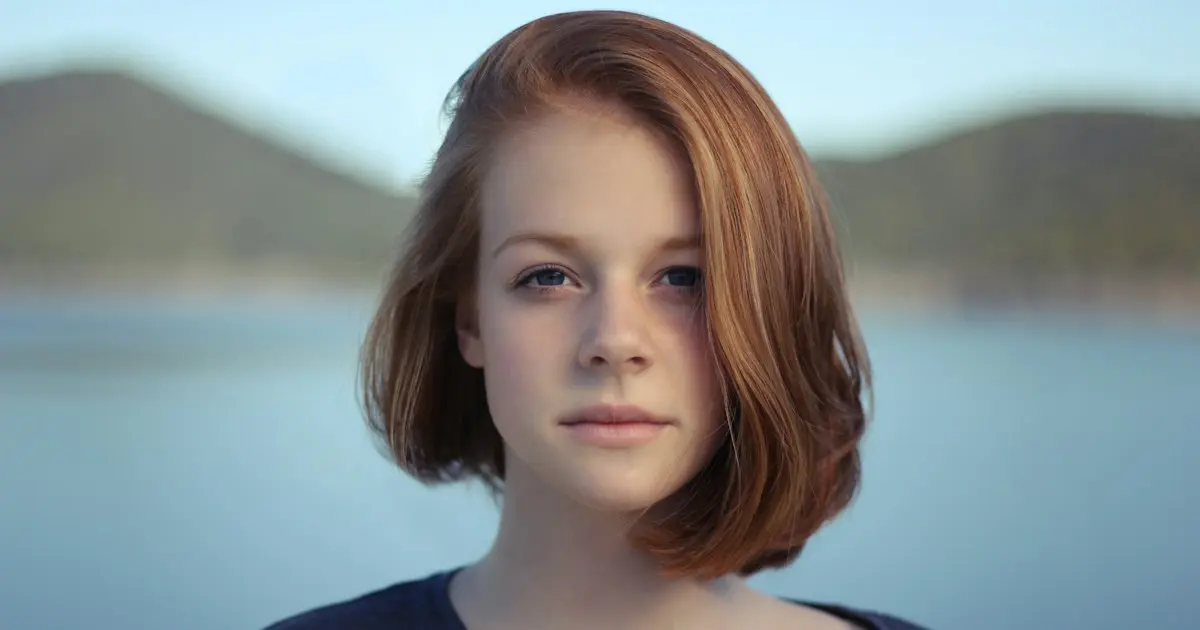
- Well-lit face: A face you can see clearly is easier to trust
- No sunglasses in primary photo: Eyes are primary trust channel
- Clear resolution: Blurry photos make people wonder what they are not seeing
- Unobscured view: Hats, shadows, or objects hiding face reduce trust
2. Genuine Duchenne Smiles
Authentic smiles (engaging eye muscles) signal trustworthiness:
- Duchenne smile: Smiles that reach the eyes read as warmer and more sincere
- Fake smile detection: Viewers often sense a forced smile, and it can undercut trust
- Natural expression: Relaxed facial muscles signal honesty
3. Direct Eye Contact
Eye contact is the most powerful trust signal:
- Direct gaze: Looking into the lens tends to come across as open and honest
- Avoiding eye contact: Reduces trust significantly (viewers interpret as hiding something)
- Soft eye contact: Warm, not cold or challenging
4. Consistent Photo Set
Multiple photos showing the same person builds trust:
- Consistency: Same person, recognizable across photos
- Various angles: Different perspectives confirm authenticity
- Different contexts: Shows multi-dimensional personality
- No major discrepancies: Dramatically different appearances trigger distrust
5. Natural, Minimal Filtering
Over-editing signals deception:
- Natural photos: Generally trusted more than heavily filtered ones
- Realistic skin texture: Minor imperfections signal honesty
- Authentic colors: Natural tones more trustworthy than oversaturated
- No distortion: Face-altering filters make people doubt what you really look like
Trust-Building Photo Backgrounds
Environmental context affects perceived trustworthiness:
High-Trust Backgrounds:
- Natural outdoor settings: Parks, mountains, beaches feel relaxed and genuine
- Clean, organized spaces: Suggests reliability and stability
- Social contexts: With friends/family (social proof increases trust)
- Recognizable locations: Authentic, verifiable places
Low-Trust Backgrounds:
- Messy rooms: Suggests disorganization, unreliability
- Bathroom/car selfies: Low effort signals low investment
- Generic/fake backgrounds: Triggers authenticity concerns
- Dark, unclear settings: Ambiguity reduces trust
Color Psychology and Trust
Colors trigger unconscious trust responses:
Trust-Building Colors:
- Blue: Widely associated with calm and reliability
- White: Signals purity, honesty, openness
- Earth tones: Browns, greens suggest groundedness
- Soft pastels: Gentle, non-threatening, approachable
Colors That Can Reduce Trust:
- Bright neon: Can appear attention-seeking, less sincere
- All black: Can appear guarded or hiding (though sophisticated)
- Clashing colors: Visual chaos suggests internal chaos
Body Language Trust Signals
Open Posture:
- Uncrossed arms: An open posture reads as approachable
- Visible hands: Hidden hands trigger unconscious distrust
- Facing camera: Directness signals honesty
- Relaxed shoulders: Tension signals hiding something
Approachable Stance:
- Slightly leaning in: Shows engagement, interest
- Balanced weight distribution: Stability signals reliability
- Natural, unforced poses: Authenticity breeds trust
The Authenticity-Trust Connection
Research by psychologist Brené Brown establishes authenticity as trust's foundation:
Authentic Photo Characteristics:
- Recent photos: Within 6 months (dated photos signal dishonesty)
- Realistic representation: Photos that match in-person appearance
- Natural moments: Candid shots alongside posed ones
- Accepting imperfections: Minor flaws signal honesty
Inauthenticity Red Flags:
- Heavily filtered/edited: Signals hiding true appearance
- Only professional photos: Can appear curated, inauthentic
- Old photos: Major dishonesty signal
- Inconsistent appearance: Different people or drastic changes
The Group Photo Trust Effect
Including group photos builds trust through social proof:
Benefits:
- Social validation: Others trust you, so viewers might too
- Authenticity signal: Real social connections verify you're a real person
- Likeability indication: People enjoy your company
Best Practices:
- You must be clearly identifiable: No confusion about which person you are
- One group photo maximum in first 3 photos: Not primary image
- Diverse social contexts: Different friend groups show versatility
- Natural, candid moments: Not all posed group shots
Verification and Trust
Modern dating platforms offer verification features:
- Photo verification badges: A clear signal that you are who your photos show
- Linked social media: Provides additional authenticity confirmation
- Detailed profiles: More information builds trust
Trust-Destroying Photo Mistakes
1. Only One Photo
Single photos trigger suspicion. A set of around 5-6 varied photos gives people enough to feel they know who you are.
2. All Mirror/Selfie Photos
Suggests isolation, no one to take photos-reduces perceived social connection.
3. Excessive Filters
Heavy filters signal hiding true appearance. They make people question every other photo too.
4. Sunglasses in Every Photo
Hiding eyes-the primary trust channel-destroys credibility.
5. Inconsistent Appearance
Looking dramatically different across photos triggers major distrust.
6. Stock Photo Vibes
Overly professional, staged photos can appear inauthentic.
7. Obscured or Cropped Faces
Partially hidden faces signal something to hide.
Building Trust Through Photo Variety
A diverse photo set builds trust by showing authenticity:
Ideal Photo Portfolio:
- Primary: Clear headshot, genuine smile, direct eye contact
- Full-body: Shows honest physical representation
- Activity: Engaged in genuine interest/hobby
- Social: With friends (social proof)
- Candid: Natural, unposed moment
- Context: Interesting location showing lifestyle
The Timing Trust Factor
Photo recency affects trust:
- Photos <6 months old: Highest trust ratings
- Photos 6-12 months: Acceptable if appearance hasn't changed
- Photos >1 year: Perceived as deceptive if appearance differs
- Major appearance changes: Require new photos immediately
Cultural Trust Considerations
Trust signals vary slightly by culture:
Western Cultures:
- Direct eye contact crucial
- Smiling highly valued
- Individual photos prioritized
East Asian Cultures:
- Modest expressions valued
- Group photos show social harmony
- Overly direct gaze can feel confrontational
Middle Eastern Cultures:
- Context-appropriate modesty important
- Family photos may build trust
- Gender-specific considerations
AI and Trust Enhancement
Modern AI tools can enhance trust signals:
- Lighting optimization: Ensures facial clarity
- Color correction: Natural, realistic tones
- Resolution enhancement: Crisp, clear images
- Background cleanup: Removes clutter
Critical: No facial alteration. Trust requires photos match reality.
The Bottom Line
Trust in dating photos isn't optional-it's foundational. Trustworthy photos make people more comfortable replying and more willing to meet. Trust signals-clear facial features, genuine expressions, direct eye contact, and authentic representation-activate viewers' oxytocin systems, creating the neurological foundation for connection.
Before trying to be attractive, try being trustworthy. It's the prerequisite for everything else.